
A decent screen and a steady connection are half the battle when you want to punt on video poker video stream without second-guessing the feed. I’ve spent years moving wagering products from whiteboard to live build, so I know a laggy interface will cost you more than a bad run of cards. This isn’t a glossy brochure; it’s a practical look at how the stream, the lobby and the paytable actually behave when you’re ready to play. If you’re sitting in Cairns with a coffee on the balcony, you want the cards to land when you tap, not three seconds later while the spinner catches up.
Reading the lobby before you press deal
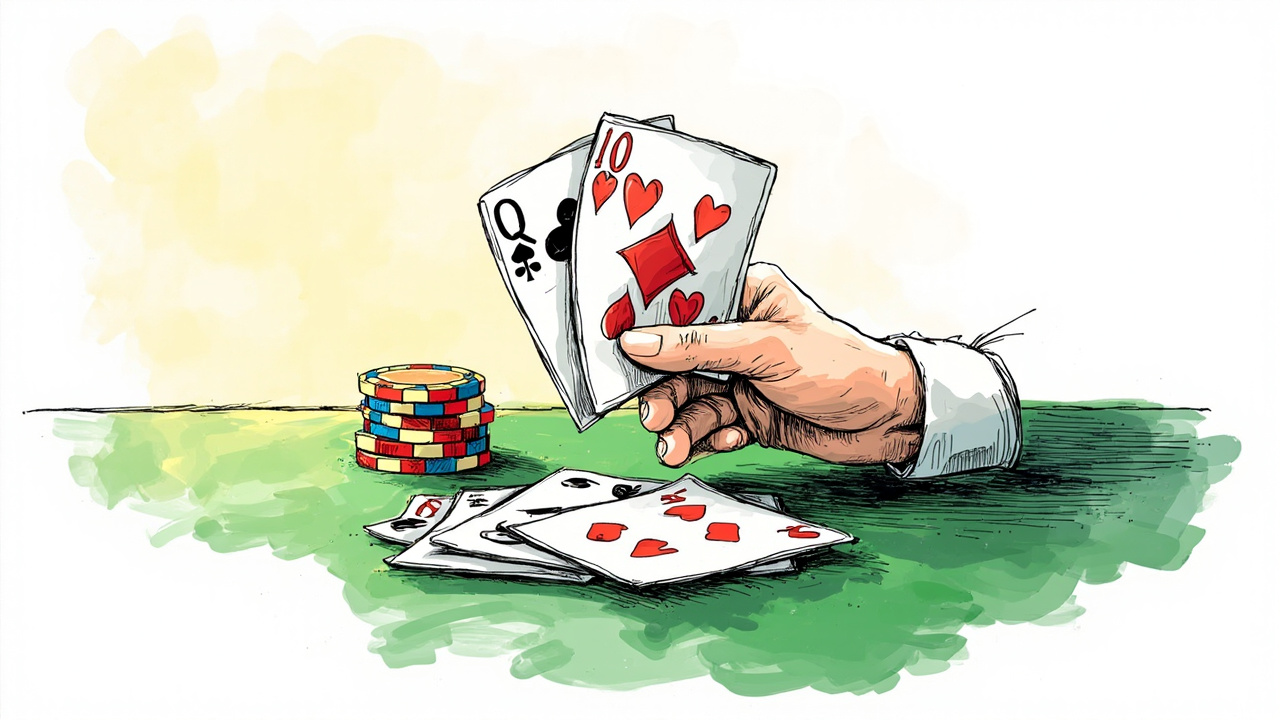
The first thing I check in any build is how the lobby presents its titles, because a crowded grid with tiny thumbnails tells me the product team prioritised volume over clarity. When you punt on video poker video stream, you’re usually choosing between Jacks or Better, Deuces Wild and a couple of multi-hand variants, and the card back art, font weight and paytable thumb should tell you which is which without a magnifier. I’ve sat in stakeholder rooms where the localisation team fought for a single Australian English toggle, and that small call matters here: “Bet,” “Deal,” “Hold” and the payout grid need to read the way an Aussie player expects them to, not like a direct translation that swaps “credit” for “token” halfway down the screen. Currency should default to dollars and cents, with the stake controls moving in clean steps rather than a slider that jumps from $0.25 to $5 in one tick. If the search bar actually filters by variant and max coin instead of just dumping every title alphabetically, you’ve got a lobby that respects your time.
| Paytable entry | Full house | Flush | Straight | Four of a kind |
|---|---|---|---|---|
| Coins paid (5 coin bet) | 30 | 25 | 15 | 80 |
The table above is the kind of quick reference I keep on a second monitor when I’m testing a new feed, because the stream can make the bottom row of the paytable hard to read on a phone. A decent provider will let you pin the paytable open while you hold cards, and that’s the difference between a polished product and one that makes you tap back and forth. I’ve seen agile squads cut that pinning feature to hit a sprint deadline, and the post-launch support tickets always prove the call was wrong. When the lobby loads fast, the variants are labelled clearly and the paytable stays put, you’re not fighting the interface before you’ve even seen the first hand.
Setting your stake and reading the feed
Once you’ve picked a variant, the stake controls are where the product actually earns its keep, and I judge a build by how quietly it handles the bet button. You should be able to set your coin value and number of lines, watch the total update in dollars and cents, and deal without the screen flashing or the feed pausing. When you punt on video poker video stream, the live element is really about seeing the shuffle, the deal and the hold animation without a stutter, so a stable bitrate matters more than a fancy card glow. I’ve reviewed plenty of interfaces where the animation looked lovely but the stream dropped a frame on a mobile connection, and that’s the moment a player loses confidence in the timing of the whole session. A sensible stake ladder, a clear total bet display and a feed that stays smooth on a mid-range phone are the boring details that keep a session readable.
- Pick a variant that matches your paytable reading, not just the one with the loudest thumbnail.
- Set your coin value first, then your total bet, so the numbers on screen match what you expect to risk.
- Keep the paytable open while you hold cards, especially on a smaller screen or in bright light.
I’m based in Cairns for a chunk of the year, and the arvo connection can flip from solid to busy as a market stall in minutes, so I always test a stream on the device I’ll actually use. If the feed holds up when the network wobbles, the product team has done its job; if it stutters every time the bitrate tries to climb, you’re better off dropping the animation quality and keeping the cards readable. That’s the kind of trade-off I make in delivery, because a pretty stream that misleads the eye is worse than a plain one that stays honest.
Holding cards, reading payouts and staying sensible
The actual play is straightforward, but the stream changes how you read it, because you’re watching a live render instead of a static screen. You hold the cards you want, press deal, and the discard and draw should happen in a rhythm that feels deliberate rather than rushed. When you punt on video poker video stream, the payout grid is the thing you’re really playing against, so a four-of-a-kind line and a full house line should be easy to scan without leaning in. I’ve argued in product reviews that the paytable needs to sit above the fold on mobile, because players keep checking it between hands, and a team that buries it under a menu is asking for misplayed hands and frustrated support chats. The bonus mechanics on these titles are usually simple, with a clear wagering requirement and a cap that the interface states up front, so you can see what you’re signing up for before you commit.
This patience is crucial because every hesitation is visible to your opponents. You can learn more about navigating these digital tables at the guide to online poker. Such resources emphasize that timing is everything.
I’m a believer in treating the stream as a presentation layer, not a promise, and that mindset keeps the whole session grounded. If you’re watching the feed on a phone in Cairns and the cards land cleanly, the hold buttons respond and the payout reads the way it should, you’ve got a product that’s fit for everyday use. If the animation is glossy but the paytable is hard to read, or the stake controls feel fiddly, you’re paying for style you don’t need. I’ve seen teams ship a flashy card flip and then spend the next sprint fixing the hold logic, and that order is always backwards. The sensible call is to keep the play readable, the payouts visible and the stake controls quiet, so the stream supports the game instead of distracting from it.

Payments, registration and support without the fuss
A clean registration flow matters because it’s the first real friction point, and I judge it by how little it asks before you can see the lobby. You should be able to sign in, confirm your details and land on the games page without a long chain of pop-ups that assume you want a bonus you didn’t choose. When you punt on video poker video stream, the payment options and currency should be obvious from the start, with dollars and cents displayed consistently and no surprise rounding that turns a $0.50 stake into something else. I’ve worked with squads that treated localisation as an afterthought, and the result is always a clunky deposit screen where the labels don’t match the rest of the product. Support should be reachable without digging through three menus, and a live chat or clear contact path is worth more than a glossy FAQ that doesn’t answer the actual question.
When the lobby finally loads, the focus should remain on gameplay rather than promotional clutter. You can observe this philosophy in action at mega moolah slot machine, where the entry process stays streamlined. It proves that players prefer to jump straight into the action without unnecessary detours.
If you’re comparing this to a mega moolah slot machine, the difference is in the rhythm: video poker is about hold decisions and paytable reading, while a progressive slot is about spin timing vipjackpotjill.net and jackpot curiosity. Both can sit in the same lobby, but they ask different things of the interface, and a good build keeps them separate enough that you don’t confuse one for the other. I’ve seen product plans that lumped every title into one generic “instant play” bucket, and that always creates support noise because the stakes, payouts and bonus terms don’t line up. A sensible lobby, a clear registration flow and support that answers the question in front of you are the practical details that make a session feel ordinary rather than fussy.
The main thing is to treat the stream as a tool, not a spectacle, and to pick a lobby that lets you read the paytable, set your stake and deal without a fight. If the interface is readable, the feed stays steady and the payout grid stays visible, you’ve got a setup that fits a quiet session as well as a busy one. I’d rather have a plain, stable product than a flashy one that asks me to work around it, and that’s the call I make every time I’m judging a build from vision through to production.
